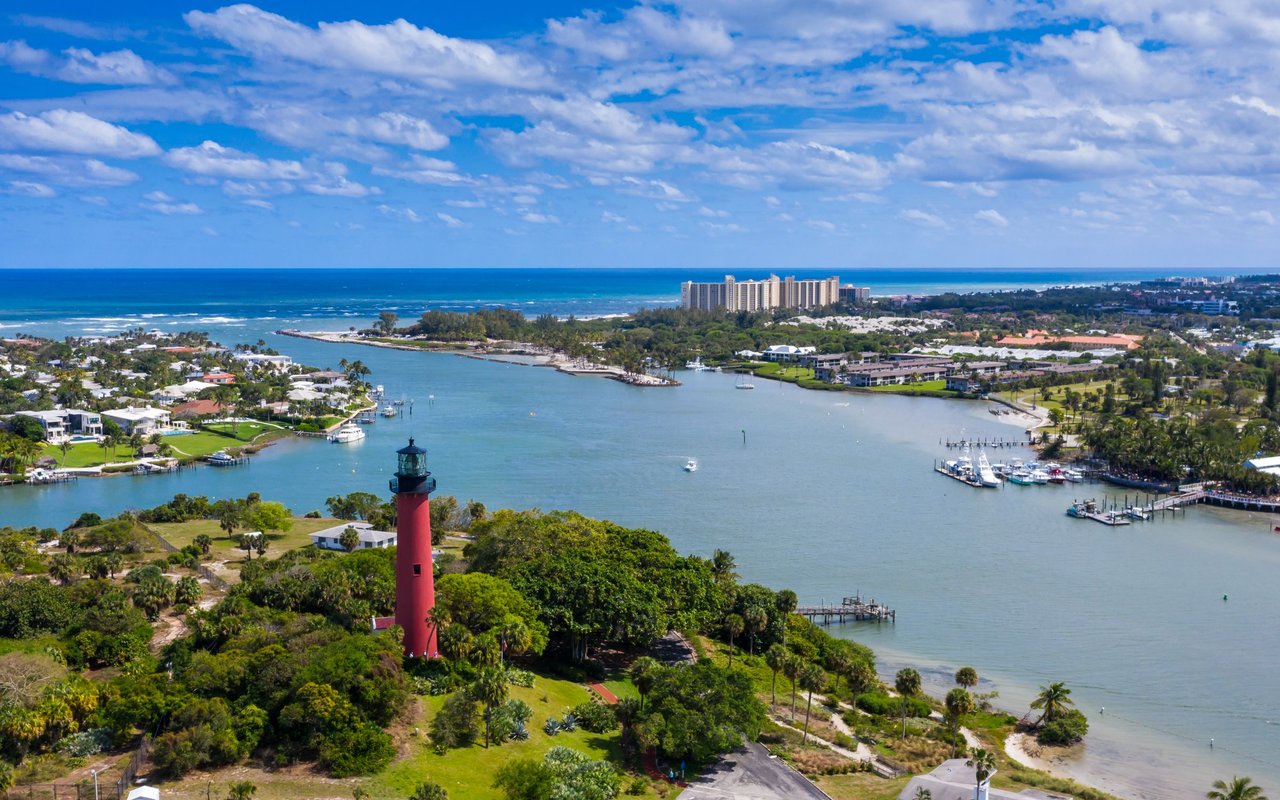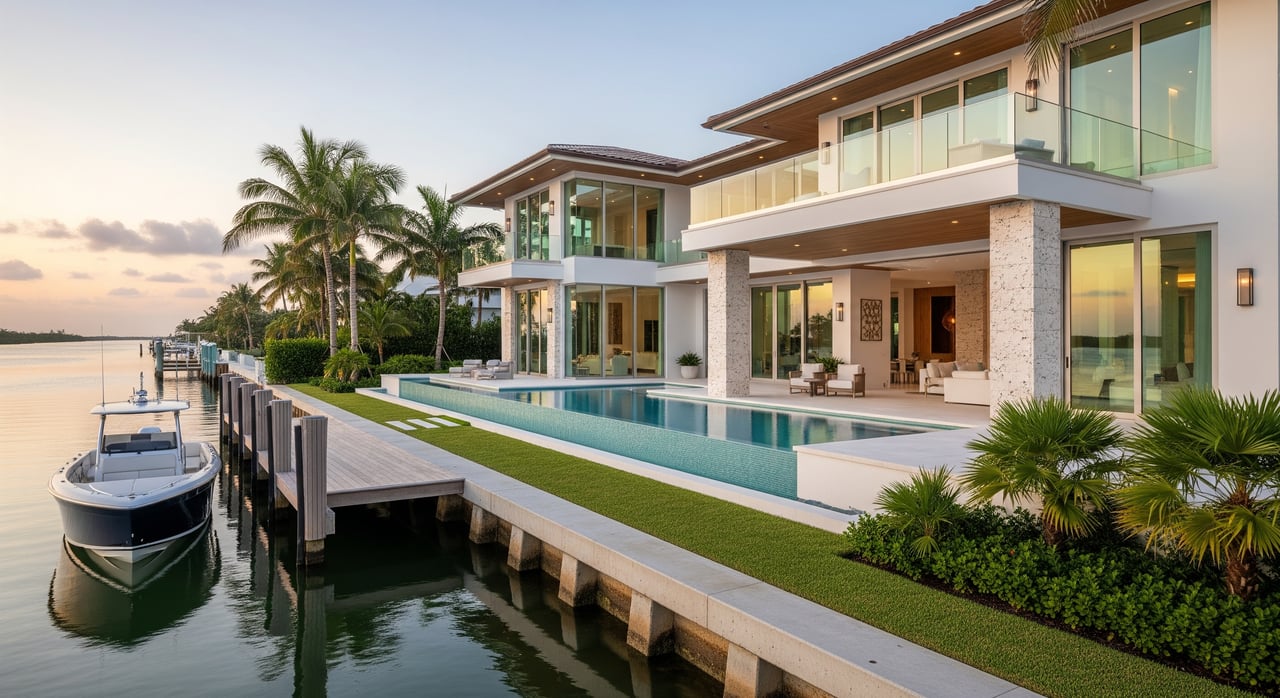
Thinking about a seasonal retreat where your boat sits steps from your back door and the beach is minutes away? If Hypoluxo Island is on your radar, you’re in good company. As a small coastal enclave in Palm Beach County, it blends boating access, privacy, and the South Florida lifestyle that second-home owners love. In this guide, you’ll learn how to finance smartly, verify coastal-specific risks, budget ongoing costs, and plan an efficient tour. Let’s dive in.
Why Hypoluxo Island works for second homes
Hypoluxo Island sits along the Intracoastal in Palm Beach County. You’ll find waterfront single-family homes with private docks, inland homes, and nearby condo or townhome options. The draw is simple: quick boat access, proximity to beaches, and an easy connection to marinas, restaurants, and services across the West Palm Beach, Boca Raton, and Delray Beach area.
Seasonality and timing
Peak season runs November through April. That’s when demand and visitation are highest and when service providers are busiest. Summer is slower and often used for maintenance, upgrades, and hurricane preparation. If you can, view properties in both seasons to see how the neighborhood lives and what services look like year-round.
How to finance a second home
Financing a second home differs from a primary residence. You’ll want to match the loan to your intended use and consider coastal underwriting.
Loan types and down payments
- Conventional second-home loans typically require 10 to 20 percent down. Lenders will ask you to document that you intend to use the property personally.
- Investment-property mortgages usually carry higher rates and 15 to 25 percent down.
- Government programs like VA or USDA are generally for primary residences, not second homes.
Coastal lending caveats
Coastal properties can face stricter underwriting due to flood and hurricane exposure. Ask lenders about policies for homes in higher-risk flood zones and how insurance availability affects approval.
What to verify before you offer
Second homes on a barrier island come with specialized due diligence. Get these items in hand early.
Title, survey, and access
- Order a title search and boundary survey.
- Confirm easements, drainage, and any deeded water or riparian rights.
- Verify dock rights and any marina access tied to the parcel.
Flood zone and elevation
- Confirm the FEMA flood zone and request an Elevation Certificate if the home is in a Special Flood Hazard Area.
- Clarify whether finished-floor elevation, mechanicals, and pool equipment meet current standards.
Zoning, rentals, and HOAs
- Short-term rental rules can vary by municipality and HOA. Confirm minimum rental periods and transient rules before you rely on rental income.
- For condos or communities, review HOA financials, reserve studies, rules, and any pending special assessments.
Coastal inspections checklist
Bring coastal specialists into your inspection window. A standard home inspection is not enough on the water.
- General home inspection, with attention to roof age and wind rating
- Marine/dock/seawall inspection by a licensed marine contractor or surveyor
- Structural engineer if there are signs of settlement or issues with pilings or seawalls
- Roof inspection or roofer estimate for near-term replacement
- Termite and wood-destroying organism inspection
- HVAC evaluation for salt-air corrosion and remaining life
- Plumbing review for older materials, including polybutylene
- Flood-elevation certificate or updated survey if needed for insurance
- Boat access review: channel depth, bridge clearances, and navigation from dock to Intracoastal and ocean
Insurance, flooding, and climate risk
Insurance and elevation drive long-term cost and peace of mind on the coast.
Flood insurance basics
If your property is in a Special Flood Hazard Area and you have a mortgage, flood insurance is required. Many coastal owners carry it even when not required. Policies can be placed through the NFIP or private flood insurers, and pricing varies by elevation, construction, and claims history.
Wind and hurricane coverage
Florida policies often use separate hurricane or wind deductibles, typically 1 to 5 percent of the insured value. Coastal homes can see higher premiums. If private coverage is limited, some owners use the state residual market. Work with an insurance agent experienced in Palm Beach County coastal underwriting.
Elevation and long-term planning
Review local sea-level planning, the home’s elevation, and the condition of shoreline protections like seawalls. These factors affect insurability, risk, and future value.
Annual costs and budget
Own the numbers before you fall in love with the view. Build a full annual budget so there are no surprises.
Recurring expenses to plan for
- Property taxes. Second homes do not qualify for Florida’s homestead exemption. Check parcel-specific estimates with the county.
- Homeowners and wind insurance. Review deductibles and hurricane terms.
- Flood insurance if the property is in a higher-risk zone or if you want added protection.
- HOA or condo fees if applicable. Services can include amenities, seawall reserves, and security.
- Utilities, especially electricity for air conditioning, plus water, sewer, trash, and internet.
- Routine maintenance such as pool service, landscaping, pest control, HVAC service, and dock or seawall upkeep.
- Property management or caretaking if you are away for long stretches.
- Capital reserve. A common rule is to set aside 1 to 3 percent of the property value per year for big-ticket items like roof, seawall, dock, and HVAC.
Cost ranges to expect
- Insurance for coastal homes can range from a few thousand dollars to well over $10,000 per year depending on age, elevation, and coverage. Obtain quotes early in your process.
- HOA or condo fees vary widely, from modest monthly dues to higher fees in luxury communities with extensive amenities.
- Management costs often run 8 to 15 percent for long-term rentals and 20 to 35 percent for short-term rentals. Seasonal caretaking may be a flat fee.
Turnkey living and local services
If you plan to be away for months at a time, build a team that keeps the home guest-ready and storm-ready.
Who to hire
- Full-service property manager with coastal experience
- Housekeeping team for seasonal openings and turnovers
- Landscaping and irrigation specialists with salt-tolerant plant knowledge
- Pool service and equipment maintenance
- Pest control with termite prevention
- HVAC and mechanical contractors with 24/7 service options
- Marine contractors for dock, pilings, boat-lift service, and seawall work
- Roofing and exterior contractors experienced with high-wind construction
- Hurricane preparation specialists for shutters, generators, and tree trimming
- Security and smart-home firms for remote monitoring and smart locks
- Insurance agents focused on Florida coastal coverage
How to vet providers
- Confirm licensing, insurance, and references for coastal projects.
- Ask for recent examples on similar properties.
- Review response times and emergency protocols during hurricane season.
- Check contract terms, seasonal pricing, and cancellation policies.
- For property managers, clarify bookkeeping, deposit handling, and tourist-tax compliance if you plan to rent.
Streets, homes, and planning a tour
Micro-location matters on a small barrier island. A few feet of elevation can change your flood and maintenance profile.
Street and site factors
- Elevation and drainage on the street and lot
- Distance to the Intracoastal and exposure to wind and salt spray
- Orientation for sunrise, sunset, and prevailing winds
- Noise and traffic from boats, bridges, and nearby commercial areas
- Proximity to marinas, boat ramps, groceries, pharmacies, and hospitals
Property types to compare
- Waterfront single-family with dock. Private boat access and views, higher purchase price and marine maintenance, plus seawall and dock care.
- Inland single-family. Lower marine exposure and potentially lower flood insurance, but no private dock.
- Condominiums or townhomes. Lower maintenance burden and shared amenities, with HOA rules that may restrict rentals or dock usage.
- New construction vs. older homes. Newer builds often include impact windows, elevated systems, and modern wind-resistant codes. Older homes may offer value and renovation potential but could require retrofits.
Tour planning checklist
- Timing
- Visit during the winter high season and again off-season if you can.
- See waterfront homes at both high and low tide.
- Visit during daytime and evening for traffic and lighting.
- Documents to request
- Recent survey, elevation certificate, flood-zone report
- HOA documents and budgets, plus any special-assessment notices
- Seawall or dock permits and repair records
- Seller disclosures and utility history
- Who to involve
- A local coastal real estate agent
- Marine surveyor for docks and seawalls
- General contractor or structural engineer for older or complex properties
- Insurance agent for preliminary quotes
- On-site checks
- Walk the seawall and dock at water level
- Review roof, attic, and exterior trim for salt wear
- Test A/C, electrical, and plumbing for corrosion or leaks
- Ask about prior hurricane claims or repairs
Smart next steps
- Confirm the property’s exact jurisdiction and permitting authority.
- Obtain preliminary homeowners, wind, and flood insurance quotes.
- Budget a seawall and dock contingency on any waterfront purchase.
- Line up coastal inspections early in your contract timeline.
- Clarify rental rules with the municipality and, if applicable, the HOA before writing an offer.
When you are ready to tour, you deserve a discreet, white-glove process tailored to your goals. For a private conversation and a custom Hypoluxo Island plan, connect with Christian Prakas.
FAQs
What makes Hypoluxo Island appealing for second homes?
- It offers Intracoastal access, proximity to beaches, and South Florida lifestyle amenities within Palm Beach County.
When is the best time to shop for a second home here?
- Peak season is November through April; consider viewing in both high season and summer to gauge activity and service availability.
Do I need flood insurance on Hypoluxo Island?
- If the home is in a Special Flood Hazard Area and you carry a mortgage, flood insurance is required; many owners carry it regardless.
How do short-term rental rules work on the island?
- Rules vary by municipality and HOA; confirm minimum stays and transient-rental rules before relying on rental income.
What inspections are essential for waterfront homes?
- In addition to a general home inspection, plan for a marine dock and seawall inspection, roof evaluation, termite check, and, if needed, a structural engineer.
How much should I reserve annually for maintenance?
- Budget routine services plus a capital reserve of 1 to 3 percent of the property’s value for items like roof, seawall, dock, and HVAC.