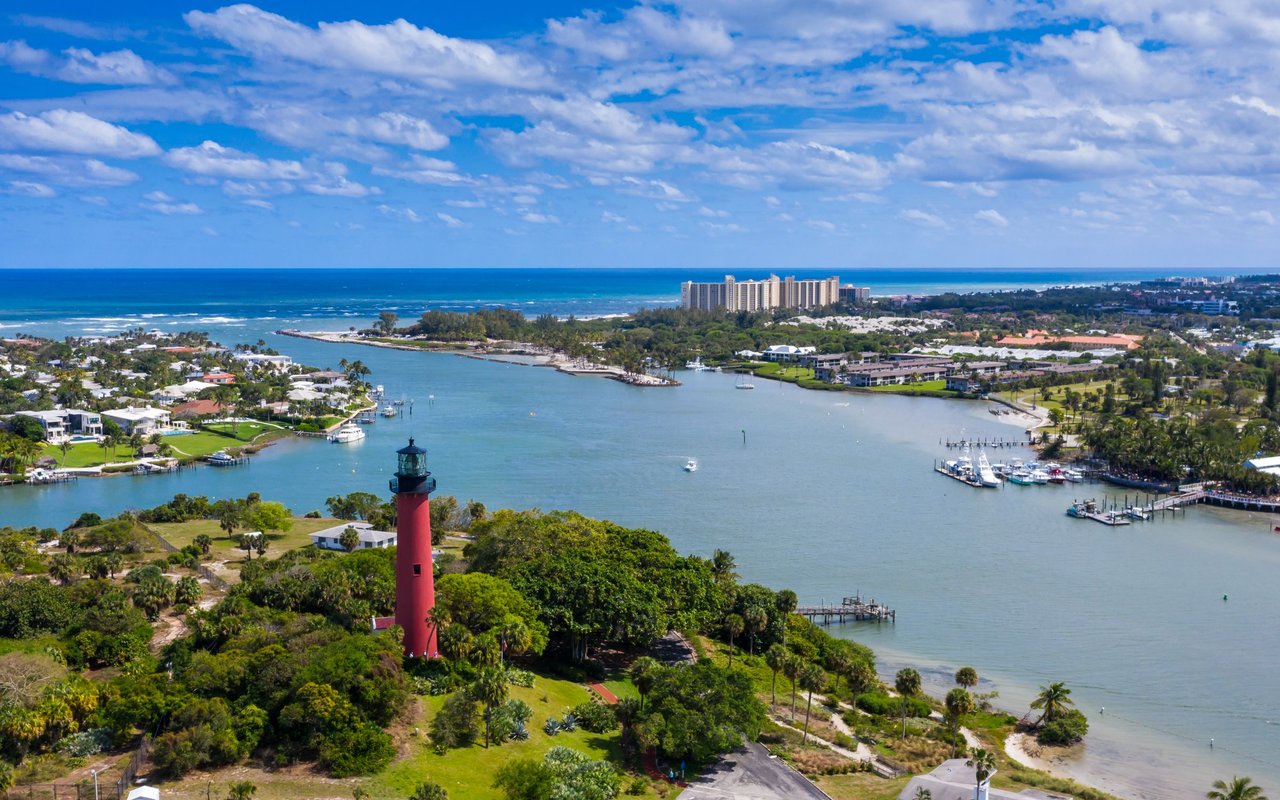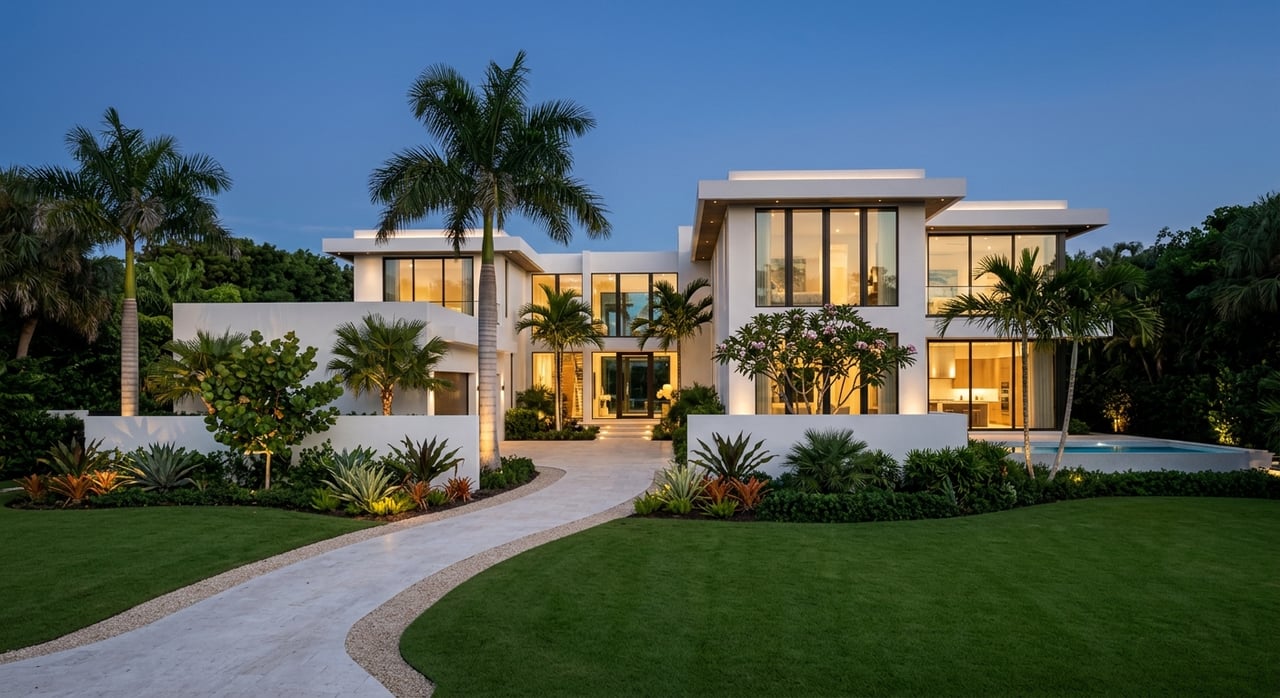
Wondering whether your best Delray Beach life is east or west of the Intracoastal? It is a smart question, because this is not just a map decision. In Delray Beach, crossing the waterway can change your daily routine, your budget, your housing options, and even the kind of maintenance and due diligence you should expect. If you are weighing both sides, this guide will help you compare lifestyle, pricing, inventory, and practical tradeoffs so you can choose with more confidence. Let’s dive in.
Why the Intracoastal matters
Delray Beach has a real east-west split that is both historical and practical. The area west of the Intracoastal was incorporated as the Town of Delray in 1911, while the east side became the Town of Delray Beach in 1923. Today, city planning still treats the beach area east of the Intracoastal as a separate planning environment.
That matters because the two sides often feel like different submarkets. While Redfin reported a citywide median sale price of $517,500 in March 2026, Delray becomes much more specific once you look at what happens on either side of the water. For many buyers, the real question is less about east versus west and more about which lifestyle fits the way you want to live.
East of the Intracoastal
Beach access and walkability
If you want Delray Beach to feel coastal from the moment you wake up, the east side usually leads the conversation. Delray Municipal Beach sits at the east end of Atlantic Avenue, spans about 1.5 miles, and attracts more than 3.2 million visitors each year. Atlantic Avenue also creates one of the city’s defining lifestyle corridors, running from I-95 to the ocean through a walkable mix of shops, restaurants, nightlife, and beach access.
For many buyers, that walkability is the biggest draw. You can be closer to the beach, the downtown core, and the social energy that gives Delray its reputation. If you picture mornings by the water and evenings near Atlantic Avenue, east of the Intracoastal is often the clearest match.
Housing character and coastal appeal
The east side is not one single housing type. City documents describe the ocean district as having direct frontage lots, typically larger parcels, Spanish-Mediterranean influence, and mostly two-story homes. In the North Beach and Seagate area, the mix shifts to smaller lots, one- and two-story homes, many Intracoastal lots, and more open landscaping.
That variety is part of the appeal. You can find trophy coastal properties, historic neighborhoods, and tightly planned beach districts within a relatively compact area. Lot sizes in the North Beach and Seagate study area range from under 10,000 square feet to more than 80,000 square feet, which shows how much the product can vary even within the east side.
Pricing on the east side
The premium for coastal positioning shows up clearly in market data. In ZIP code 33483, a practical proxy for the east side, the median listing price was $1.497 million in March 2026. There were 313 homes for sale, homes averaged 83 days on market, and sold prices came in about 4.97% below asking.
That pricing does not mean every east-side property is oceanfront or ultra-luxury. It does mean that proximity to the beach, downtown, and the Intracoastal tends to carry a noticeable premium. If your goals include a visible coastal address, boating access, or a more walkable lifestyle, you should expect that to be reflected in the numbers.
Seasonality, parking, and daily rhythm
The east side comes with a different cadence. Winter and early spring tend to bring more energy, with the peak visiting window generally running from December through April because of milder, drier weather. Major regional events, including the Delray Beach Open in mid-February, also reinforce that seasonal rhythm.
At the same time, convenience can be more complex than it looks from a postcard. The city limits Atlantic Avenue parking to three hours in the downtown area, and beach parking is managed through city lots and permits. If you love being in the middle of the action, that may feel worth it. If you prefer simpler day-to-day logistics, it is something to weigh carefully.
Boating and coastal due diligence
For buyers who value life on or near the water, the east side has another advantage. The city’s coastal inventory includes the beach plus four marinas along the Intracoastal Waterway, which reinforces the area’s beach-and-boating identity. That can make the east side especially appealing if your ideal property search includes waterfront orientation.
It also means due diligence matters more. The city notes that the coastal planning area includes the barrier island, the Intracoastal Waterway, and the western shoreline, with more frequent seasonal flooding in Intracoastal-bordering communities. If you are buying east, it is wise to spend more time reviewing flood maps, elevation, seawall condition, and insurance considerations.
West of the Intracoastal
More space and broader inventory
If your priority is variety, the west side often gives you more to choose from. Realtor.com’s west-side summary showed a median listing price of $209,900 in March 2026, with west-side ZIP codes including 33484 at $199,700, 33446 at $230,000, and 33445 at $282,200. Inventory was also broad, with 563 homes for sale in 33484, 610 in 33446, and 376 in 33445.
That larger inventory can make your search feel less compressed. Instead of focusing mainly on coastal proximity, you may have more flexibility around home style, community type, square footage, and price point. For many buyers, that translates into more practical options and a less competitive feeling search.
Product mix on the west side
West Delray is not just about lower prices. It is also about more housing formats and community structures. Neighborhood data shows a mix that includes condos, active-adult communities, golf communities, and country-club settings such as Lakes of Delray, Delray Villas South, Coco Wood Lakes, Gleneagles, Lexington Club, Emerald Pointe, and Mizner Country Club.
That variety matters because it changes how you shop. Some buyers want a lock-and-leave condo, while others want a single-family home with a yard or a community built around club amenities. West of the Intracoastal, you are more likely to see those options grouped across a wider value spectrum.
More room for the money
In many cases, west-side buyers can trade beach proximity for space. Current listings cited in the market overview included a 4,050-square-foot home on 0.23 acres in 33446 and a 1,973-square-foot home on 0.27 acres in 33445. While each property is unique, those examples help show how inland areas can offer more square footage or lot size for the money.
That can be a major advantage if your wish list includes a yard, more privacy between homes, or simply more flexibility in the floor plan. If you care more about how a property lives than how close it is to the sand, the west side may open more doors.
A different pace of life
West Delray often feels less tied to the tourist-heavy beach corridor. Inland attractions highlighted for the area include Lake Ida parks and the Morikami Museum and Japanese Gardens. For some buyers, that creates a better balance, with access to Delray’s amenities without living in the center of its busiest seasonal flow.
This is also where your personal routine matters. If you do not need to walk to Atlantic Avenue or the beach every day, west-side living can feel easier and more spacious. The tradeoff is that you will likely drive more for beachfront dining, nightlife, or ocean access.
West does not always mean lower-end
It is important not to treat west Delray as a shortcut for budget-only shopping. Pricing inland is nuanced, and there are luxury pockets west of the Intracoastal as well. In 33446, for example, Realtor.com’s neighborhood data includes Mizner Country Club at a median listing price of $1.799 million.
That means west Delray can still work for luxury buyers. The difference is that the luxury product may lean more toward golf, club, larger homesites, and amenity-driven communities rather than beachfront or Intracoastal positioning.
A middle-ground option
Downtown and near-downtown Delray
If you like parts of both lifestyles, there is a middle ground worth considering. Downtown Delray is intentionally walkable, and the near-downtown band can offer access to Atlantic Avenue without requiring full oceanfront pricing. In ZIP code 33444, the median listing price was $849,000 with 79 days on market.
For many buyers, that zone offers a practical blend. You may still be close to dining, retail, and the cultural energy of Delray, while staying outside the highest coastal pricing tier. It can be a strong fit if you want connection and convenience more than a strict east-or-west identity.
How to decide what fits you
Choose east if lifestyle leads
East of the Intracoastal tends to fit buyers who value beach access, walkability, boating proximity, and a more visible coastal setting. It can also appeal if you enjoy a seasonal lifestyle with more winter activity and easier access to downtown Delray’s core. If the setting itself is part of the goal, east often justifies the premium.
You should also be comfortable with tradeoffs that come with coastal living. Parking, traffic, seasonal activity, and added flood- and wind-related due diligence are all part of the picture. For many buyers, that is a fair exchange for being close to the water.
Choose west if flexibility leads
West of the Intracoastal often fits buyers who want more space, broader inventory, and more variation in community type. It can be a better match if you care about square footage, lot size, amenity-rich communities, or a daily routine that feels less centered on the beach corridor. It also gives you more price diversity across the search.
The tradeoff is usually convenience to the coast. You can still enjoy Delray Beach, but you may need to drive more for nightlife, waterfront dining, or ocean access. If that does not bother you, west Delray may offer stronger overall value for the way you want to live.
The real answer: it depends on your version of Delray
There is no one-size-fits-all winner in the east-versus-west debate. East of the Intracoastal offers a more walkable, beach-forward, and often more expensive lifestyle. West of the Intracoastal offers more variety, more room, and a broader range of price points, with luxury still available in select communities.
The right choice depends on what you want Delray Beach to feel like when you are home. If you want help narrowing the search to the neighborhoods and property types that fit your priorities, Christian Prakas can guide you with local insight and a discreet, tailored approach.
FAQs
What is the main difference between east and west of the Intracoastal in Delray Beach?
- East of the Intracoastal is generally more beach-focused, walkable, and premium-priced, while west of the Intracoastal usually offers more space, more inventory, and a wider range of community types and price points.
Is east of the Intracoastal more expensive in Delray Beach?
- Yes. In March 2026, ZIP code 33483, a useful east-side proxy, had a median listing price of $1.497 million, compared with west-side ZIP codes such as 33484 at $199,700, 33446 at $230,000, and 33445 at $282,200.
What is daily life like east of the Intracoastal in Delray Beach?
- East-side living is often centered around beach access, Atlantic Avenue walkability, seasonal activity, and boating proximity, but it can also come with more parking limitations and more seasonal congestion.
What is daily life like west of the Intracoastal in Delray Beach?
- West-side living often offers a quieter, less tourist-focused routine with access to a wider range of home styles and community amenities, though you will usually drive more for the beach and downtown nightlife.
Are there luxury homes west of the Intracoastal in Delray Beach?
- Yes. West Delray includes luxury enclaves as well, including country-club communities. In 33446, for example, neighborhood data included Mizner Country Club at a median listing price of $1.799 million.
What should buyers review before buying east of the Intracoastal in Delray Beach?
- Buyers should spend extra time reviewing flood maps, elevation, seawall condition, and insurance considerations because the city notes more frequent seasonal flooding in Intracoastal-bordering coastal areas.
Is there a middle-ground location between east and west in Delray Beach?
- Yes. Downtown and near-downtown Delray can offer a blend of walkability and access without full oceanfront pricing. ZIP code 33444 had a median listing price of $849,000 and 79 days on market in March 2026.