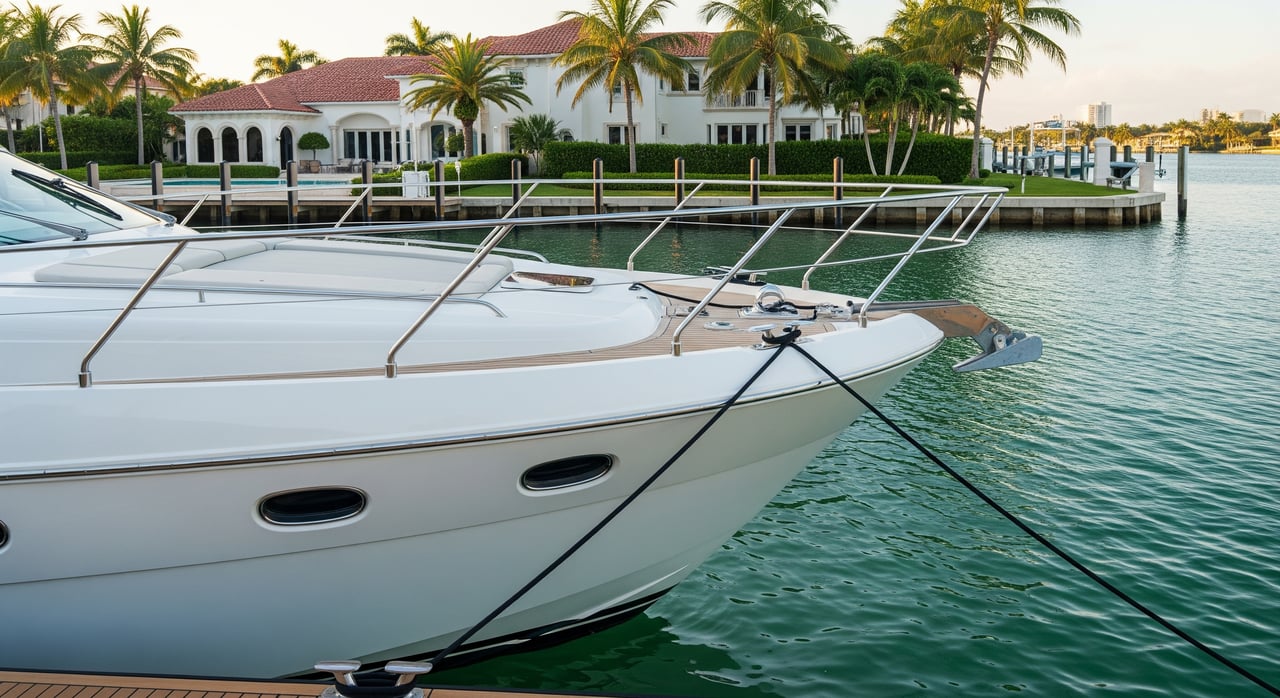
Picture this: you finish your coffee, step onto your dock, and idle out to the Intracoastal as the sun rises. If boating is part of your daily rhythm, North Palm Beach gives you the access and amenities to make it effortless. You want smart routes to the ocean, a dock that fits your vessel, and a community that supports the way you cruise, fish, and entertain. This guide shows you how North Palm Beach delivers and what to check before you buy. Let’s dive in.
Why North Palm Beach works for boaters
Quick runs to the ocean
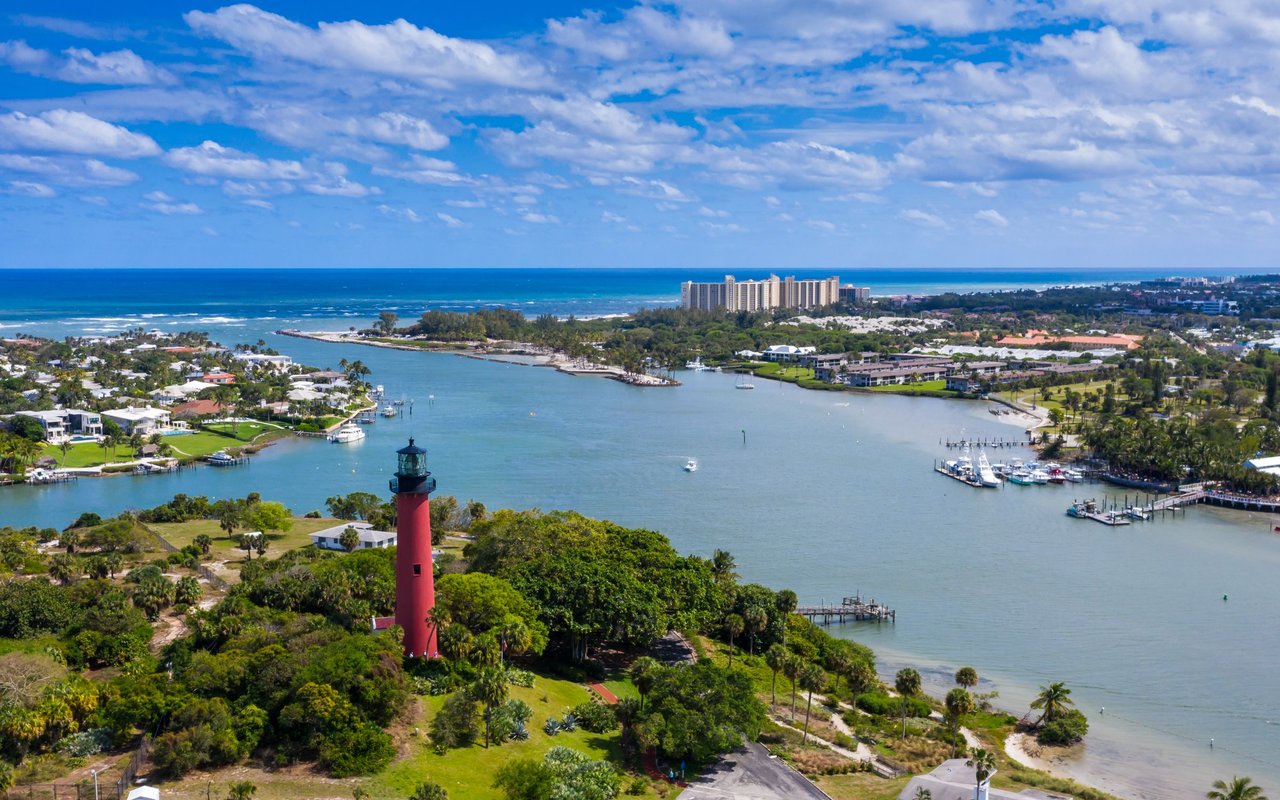
North Palm Beach lines the Intracoastal Waterway, with canals and deepwater frontage that connect you to the Atlantic. Most boaters use nearby inlets for offshore access. You will hear two names often: Jupiter Inlet to the north and Lake Worth/Point to the south. Transit time depends on your exact address, vessel speed, tides, and bridges, so verify the route and timing for any property you consider.
Smooth daily navigation
The Intracoastal has tidal currents, shoaling in spots, and marked channels. Bridge type and clearance matter, especially for sailboats and tall rigs, so confirm every fixed and movable bridge on your route. Inlet mouths can shift with sandbars and strong currents, which makes local knowledge invaluable. Speak with a harbormaster or experienced skippers to understand safe windows and best practices for your runs.
Waterfront living options
Private homes with deeded docks
A deeded dock gives you immediate access and full control. You manage your schedule, your maintenance, and how you equip the slip. Review dock size, lift capacity, power, and depth to ensure it fits your current vessel and any upgrade plans. Budget for seawall and dock upkeep, and confirm permits and insurance.
Deepwater canal homes
Many canal-front homes in North Palm Beach offer quick access to the ICW and, in some cases, room for larger yachts. Depth can vary, so check low-tide measurements at the dock and along the canal. Make sure there are no overhead obstructions that limit your vessel. Think about turning radii and maneuvering space if you run a wide beam.
Condo and townhome marinas
If you prefer low-maintenance living, communities with on-site marinas can streamline the boating routine. Associations often handle dock maintenance and common-area upkeep. Confirm whether slips are assigned or deeded, what size limits apply, and if there is a waitlist. Ask about guest slips, liveaboard rules, and fees.
Marina-front luxury residences
Living adjacent to a full-service marina puts fuel, service, and provisioning close at hand. You can enjoy dining by the water and host visiting boats with easier transient access. Expect higher fees and more marine activity compared with a quiet canal. Balance convenience against privacy based on your lifestyle.
Amenities that shape your routine
- Slip size and layout: Length, beam, and finger pier configuration impact docking ease and vessel fit.
- Depth at low tide: Draft tolerance at the dock and in the channel sets your limits. Deeper water supports larger yachts and less stress on tight windows.
- Lift and shore power: Match lift capacity to your boat’s weight and confirm power amperage for systems and charging.
- Fuel and provisioning: Short runs to fuel docks and markets reduce prep time and keep spontaneous trips simple.
- Service and haul-out: On-site or nearby mechanics, riggers, and travel lifts can cut downtime for maintenance.
- Dining and social life: Waterfront restaurants, marina bars, and yacht clubs add a social rhythm to your week.
- Offshore access: Faster, safer paths to a reliable inlet increase how often you fish or cruise offshore.
Match your boating style
Commuter cruiser
You want easy morning runs to sandbars, beaches, and lunch spots. Prioritize quick ICW access, nearby dining, and a slip layout that speeds departure and return. Depth still matters, even for smaller boats at low tide.
Sportfisher or yachtsman
You focus on offshore runs and bluewater trips. Look for deepwater docks, high-capacity power, and haul-out access. Short, predictable routes to Jupiter Inlet or Lake Worth/Point help you take advantage of weather windows and target the Gulf Stream efficiently.
Social boater or liveaboard
You value events, guest slips, and a community vibe. Choose marinas or communities with active programming, transient capacity, and flexible guest policies. Confirm liveaboard rules, quiet hours, and parking or storage options.
Buyer checklist for waterfront property
Use this quick-reference list during due diligence:
Dock and slip suitability
- Deeded vs leased vs transient status
- Slip length, beam, and configuration
- Lift capacity and condition; shore power amperage and water supply
- Depth at mean low water and at the lowest astronomical tide if applicable
- Condition of pilings, decking, and hardware
Permits and records
- Confirm dock and shoreline structures with local records
- Review U.S. Army Corps of Engineers and Florida DEP permit history for docks, seawalls, or dredging
- Verify documentation for any modifications
Seawall and shoreline
- Age, type, and elevation of the seawall
- Settlement, scarping, sinkage, or voids
- Engineer’s inspection or repair records
Insurance and flood risk
- FEMA Flood Insurance Rate Maps to verify zone and elevation requirements
- Storm surge exposure and elevation certificates
- Homeowners, dock, and hull insurance availability and premium estimates
Regulatory and environmental
- Local mooring and no-wake zones
- Manatee protection zones and seasonal speed rules
- Pump-out and sewage regulations
- Seagrass or protected habitat constraints
Community and HOA rules
- Limits on boat size, number of vessels, and guest docking
- Trailer or vehicle storage rules
- Exterior modification approvals
Operational realities
- Typical run to the nearest inlet under normal conditions
- Bridge locations and vertical clearances
- Fuel, pump-out, and service availability
- Transient dockage options for visiting boats
Seasonal and maintenance costs
- Ongoing dock and seawall maintenance budgets
- Winter high-season demand and pricing for transient slips
- Hurricane preparation plans and dry storage options
Rules, permits, and safety to know
Florida Fish and Wildlife Conservation Commission rules cover vessel registration, boater education, speed zones, and manatee protection areas. Check the current age-based education requirements before operating. NOAA charts and tide tables are essential for planning routes and confirming depths, especially in areas prone to shoaling. FEMA flood maps help you understand insurance needs and any elevation standards that apply to improvements.
Work involving docks, seawalls, or dredging may require permits from the U.S. Army Corps of Engineers, Florida DEP, and local authorities. The Town of North Palm Beach and Palm Beach County set construction standards and operating rules for marinas and waterfront structures. Before you commit to upgrades, verify the permit path, timelines, and any environmental considerations.
Local harbormasters, yacht clubs, surveyors, and marine mechanics are valuable resources. Their input on depths, seasonal patterns, and maintenance costs can save you time and money. Engage these professionals early to stress test your plan.
Seasonality, culture, and events
From December through April, boat traffic increases and marinas see more visiting vessels. That can raise transient rates and lengthen fuel or service queues. During hurricane season, from June through November, have a written plan for haul-out or relocation and confirm your insurance requirements well ahead of time.
Expect a mix of offshore sportfishing, day cruising to sandbars, and relaxed waterfront dining throughout the year. Sailing and small-boat activity thrive on protected ICW stretches and near inlets when conditions allow. Palm Beach County hosts fishing tournaments and regattas seasonally, which adds energy and visiting boaters to the scene.
Next steps
Choosing the right North Palm Beach property starts with your boating profile and a careful review of dock, depth, bridges, and permits. Pair that with practical access to fuel, service, and social life, and you will enjoy a smooth, repeatable routine on the water. If you want a short list of properties that match your vessel and lifestyle, along with introductions to trusted local marine pros, reach out for a private consultation.
Ready to evaluate top-tier waterfront options in North Palm Beach? Connect with Christian Prakas for a tailored plan and on-water guidance.
FAQs
How close are North Palm Beach homes to the ocean?
- It varies by address, but many homes are a relatively short cruise to Jupiter Inlet or Lake Worth/Point; confirm route, bridges, and typical travel time for the specific property.
Is a deeded dock better than a community marina in North Palm Beach?
- A deeded dock gives control and immediate access with higher maintenance responsibility; a community marina shifts upkeep to the association but often has size limits, rules, and potential waitlists.
What dock features matter most for a large yacht?
- Prioritize slip length and beam, depth at low tide, lift capacity, shore power, water supply, and the condition and permitting status of all dock structures.
What permits might I need for dock or seawall work in Palm Beach County?
- Many projects require local permits and may also need Florida DEP and U.S. Army Corps approvals; verify scope, timelines, and documentation before starting.
How do flood and hurricane risks affect ownership costs?
- Waterfront parcels may fall into higher-risk flood zones with elevated insurance premiums and elevation requirements; boat and dock coverage are often separate and depend on condition and permit history.