Considering a move on Palm Beach Island and wondering what the smartest next step is? You are not alone. Luxury buyers and sellers are weighing timing, pricing, insurance and product choice in a market that remains resilient at the top. In this guide, you will learn what is moving now, how seasonality shapes outcomes, which features command premiums, and how to position your sale or purchase for success. Let’s dive in.
Snapshot: what is moving now
Palm Beach luxury continues to attract cash and portfolio buyers drawn to lifestyle and tax advantages. That support keeps top properties steady even as higher rates cool the leveraged layer of demand. You see the strongest pricing and faster absorption for direct waterfront estates, turnkey homes, and properties with private docks or larger lots. Well‑priced, market‑ready listings often sell quickly in season, while outdated product or homes with unresolved insurance or mitigation issues can sit longer.
The market is bifurcated. Trophy and fully renovated properties command attention and may achieve near‑ask results. Mid‑luxury homes needing upgrades or resiliency work typically face more price discovery and longer marketing time.
Seasonality: when timing matters most
Peak buying activity concentrates in the winter social season, roughly January through April. Buyers are in residence, events are in full swing, and showing volume rises. Sellers aiming for top pricing often list in the fall so the property is live and fully marketed by the heart of the season.
Off‑season can still be productive. Summer and early fall are quieter, but serious buyers do transact, and you may secure better terms on non‑seasonal inventory. If you are buying, off‑season can offer more room to negotiate on properties outside the trophy tier.
Pricing drivers in Palm Beach
Waterfront and land
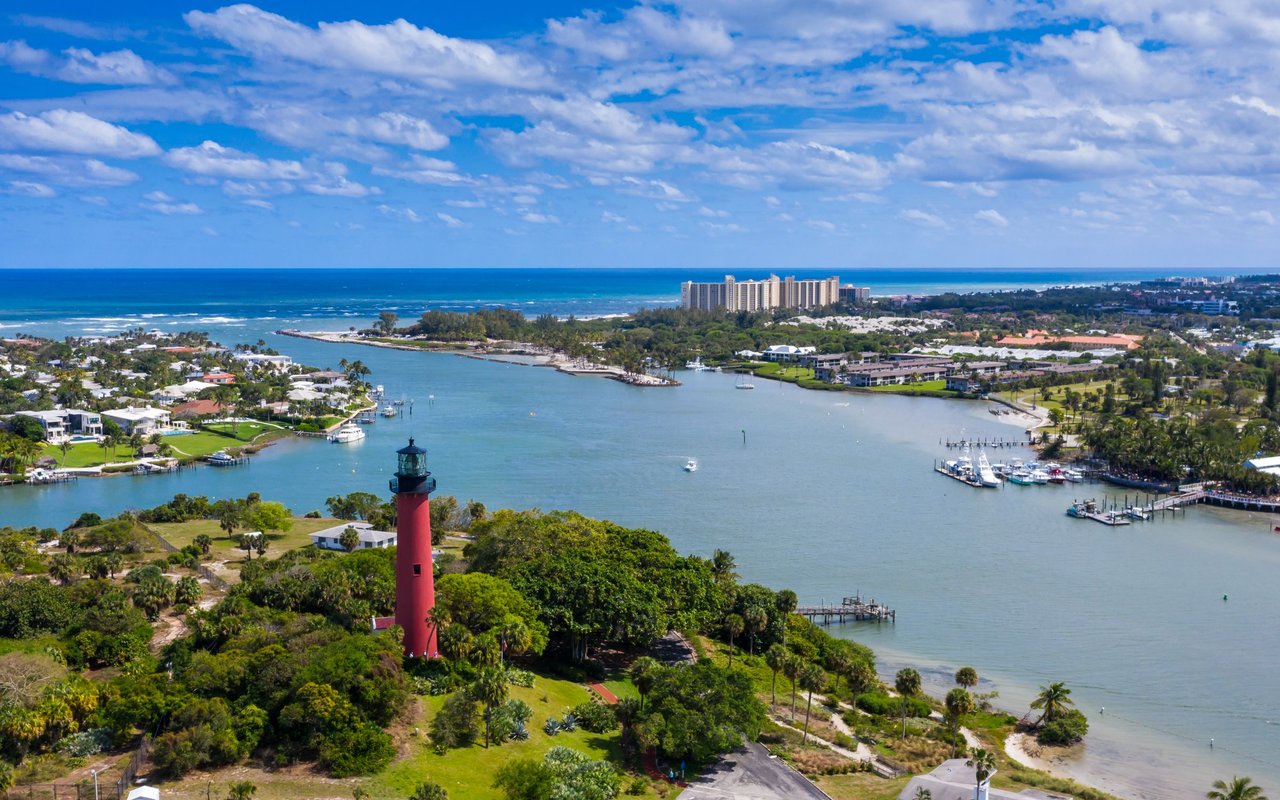
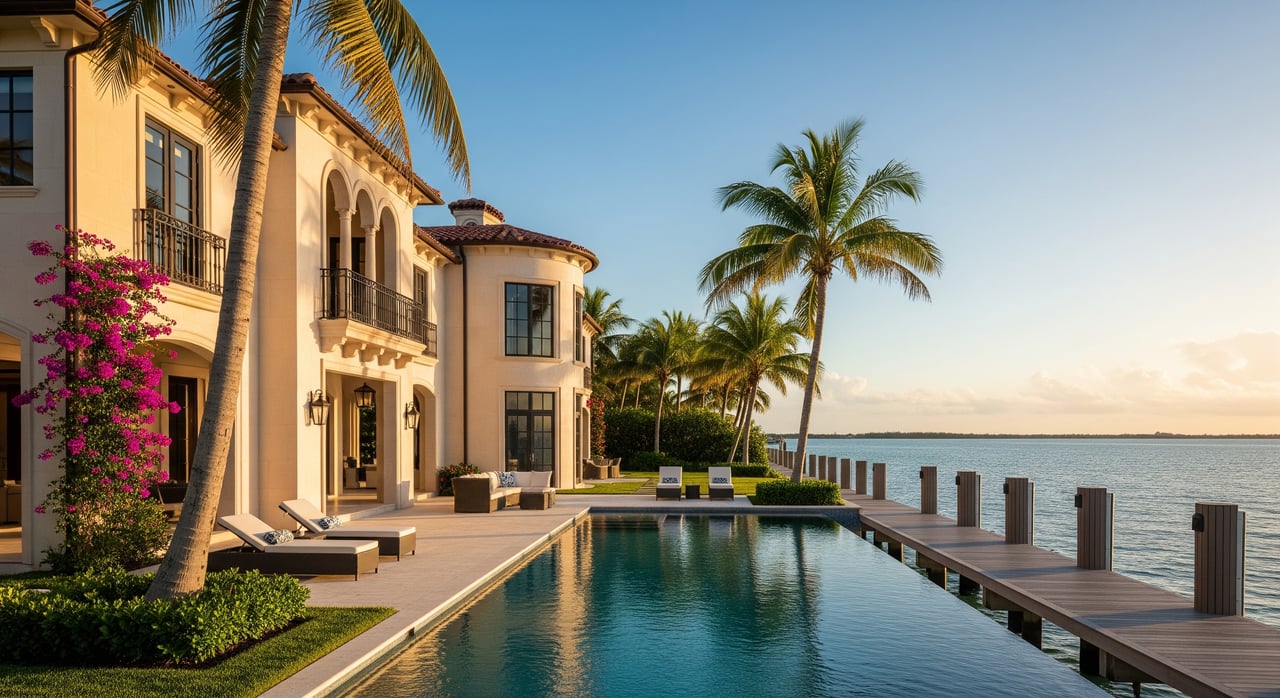
Direct ocean frontage or deepwater intracoastal with a private dock are among the most prized attributes. Larger lots, privacy, and mature landscaping are scarce on the island, which supports premium pricing and long‑term value.
Turnkey and amenities
Recent, high‑quality renovations reduce friction for time‑poor buyers. Wellness spaces, advanced smart‑home systems, and thoughtfully integrated indoor‑outdoor living help a listing stand out. Market‑ready presentation is crucial.
Resiliency and elevation
Elevation, flood mitigation, impact glazing and hurricane hardening influence underwriting and buyer perception. Homes with documented mitigation tend to market more efficiently and avoid pricing gaps tied to unknown costs.
Proximity to social nodes
Convenient access to Worth Avenue, marinas, private clubs and the broader social calendar can enhance desirability. Micro‑location matters; evaluating comparable sales within the immediate area helps set realistic pricing.
Inventory and absorption signals
Months of supply by price band
Luxury market health is best read by price bands rather than broad medians. Track supply in segments such as 2 to 5 million, 5 to 10 million, and 10 million plus to understand velocity in your lane.
Pending contracts and momentum
Signed contracts indicate near‑term demand. Rising pending activity in your price band, especially for waterfront and turnkey properties, can foreshadow firmer pricing.
Days on market and spread to ask
List‑to‑sale price ratio and days on market reveal whether buyers are paying close to ask or pushing for discounts. Turnkey trophy homes tend to see tighter spreads and shorter timelines, particularly in season.
Single‑family vs condo choices
Full‑service luxury condos appeal if you want low‑maintenance seasonal living and privacy with service. Expect concierge amenities and a simplified ownership experience. Single‑family estates attract buyers prioritizing land, docks, and privacy. If you value control over design, grounds, and boat access, a single‑family property often fits better.
Insurance, carry costs, and risk
Insurance availability and premium increases have raised ownership costs for many coastal properties. UHNW buyers now underwrite total carry more carefully, including property taxes for non‑homestead residences, HOA or condo fees, and projected insurance changes. Sea level and flood considerations are part of the diligence process, and properties requiring significant mitigation may see price adjustments or longer marketing times.
Use this quick checklist:
- Confirm current insurance quotes, wind and flood coverage, and deductibles.
- Review elevation, past flood claims, and mitigation features already in place.
- Itemize HOA or condo fees and scope of services provided.
- Model total carry and any planned retrofit costs against your holding period.
Seller playbook for top results
- Time the market. Aim to launch in fall so your listing is active when seasonal demand peaks. If you are mid‑season, consider a refreshed campaign to recapture attention.
- Get market‑ready. Complete key repairs, polish outdoor areas, and document resiliency features. High‑quality visuals and staging help buyers see a turnkey lifestyle.
- Price with precision. Use micro‑neighborhood comparables and factor in waterfront, lot size, renovation level and elevation. Calibrate to active and pending competition.
- Lead with narrative. A compelling story that highlights privacy, amenities, and dockage can drive qualified showings and stronger offers.
Buyer strategy for today
- Define your nonnegotiables. Waterfront type, dock size, privacy, and renovation level should be clear up front.
- Prepare for speed. Trophy properties can trade quickly in season. Arrange proof of funds or specialized financing so you can move decisively.
- Underwrite risk early. Review insurance quotes, elevation and mitigation scope before you bid, not after.
- Consider off‑season leverage. For non‑trophy listings, summer and early fall may present more flexible terms.
What could shift next
Inventory can arrive in waves when estate listings or new projects hit the market, which may lengthen absorption temporarily. Domestic cash buyers remain a steady force, while international participation often follows currency and travel patterns. Higher borrowing costs mainly affect leveraged buyers, but institutional and family‑office activity in prime residential assets continues to support the upper tier.
Work with a media‑first advisor
At the top of the market, exposure and execution matter. You want cinematic storytelling, precise buyer targeting, and data‑driven guidance on timing, pricing and product strategy. A media‑first, tech‑enabled approach helps you reach qualified global buyers while keeping your process discreet. If you are considering a sale or want a private buy‑side brief tailored to Palm Beach Island, connect with Christian Prakas for a confidential consultation.
FAQs
Is now a good time to sell a Palm Beach trophy home?
- Yes, if your property is market‑ready and you align the launch with the winter season; micro‑timing depends on current inventory and comparable sales in your immediate area.
How do rising insurance costs affect pricing in Palm Beach?
- Higher premiums and tighter underwriting increase total carry and can impact buyer willingness to pay, especially for homes needing significant mitigation.
When is the best time to list in Palm Beach?
- Many sellers list in the fall to capture peak buyer presence from January to April; off‑season can still work with the right pricing and presentation.
Do luxury condos compete with single‑family estates?
- They serve different needs: condos deliver low‑maintenance living and services, while single‑family estates offer land, docks and greater privacy.
What signals a momentum shift in the 10 million plus segment?
- Watch months of supply, the pace of signed contracts, days on market and the spread to ask for turnkey waterfront properties within that band.