Waterfront living in West Palm Beach is easy to picture as a high-rise view and a valet arrival. But that is only part of the story. If you want a more private, ground-level, or boating-focused lifestyle, there are other paths to the water here, and understanding them can help you buy with more clarity. Let’s dive in.
Why West Palm Beach Waterfront Feels Different
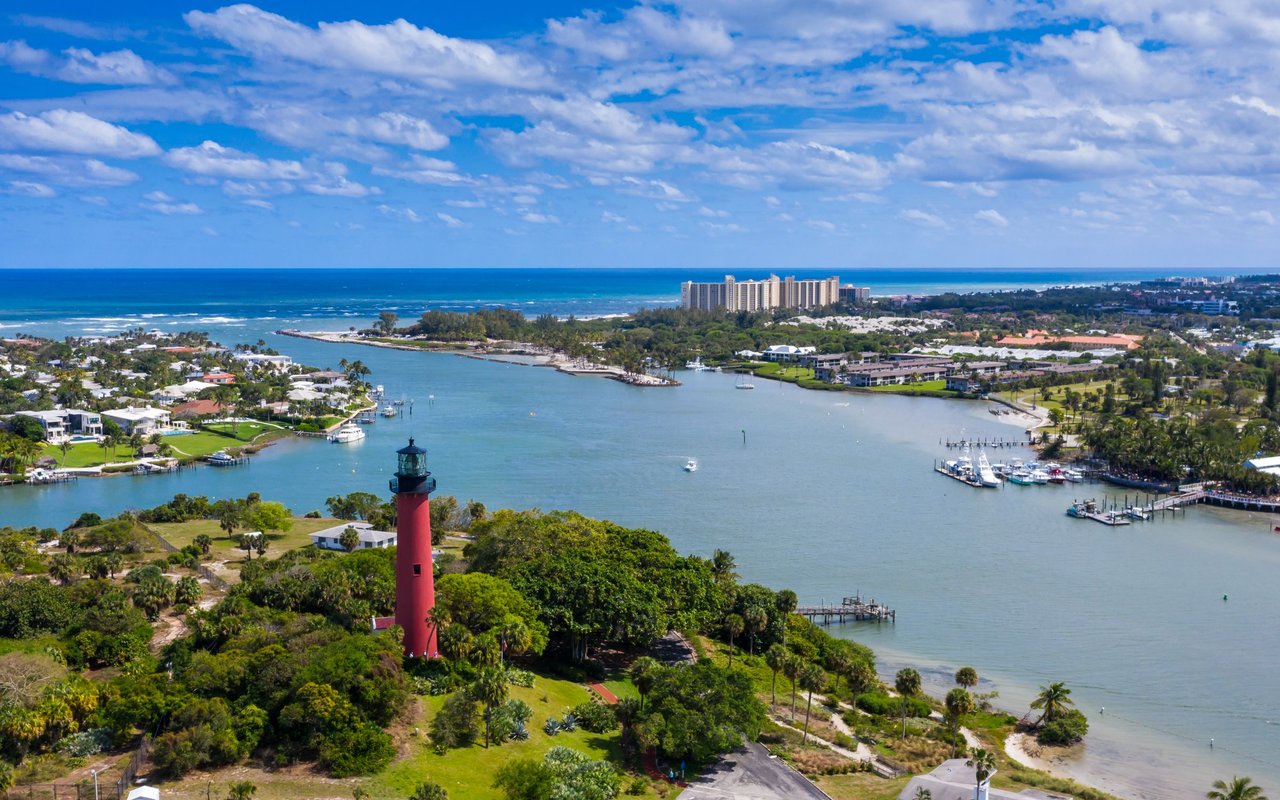
West Palm Beach’s waterfront is not just a line of condo towers. The city describes it as an Intracoastal corridor that stretches along the waterfront from the southeastern to the northern city limits, with an epicenter at 100 Clematis Street. In the city’s downtown planning, the Flagler Waterfront is framed as a scenic corridor with green open spaces, while CityPlace includes lower-scale residential alternatives that are not found elsewhere downtown.
That distinction matters when you start comparing lifestyle options. You are not simply choosing a building or a block. You are choosing how you want to live near the water, how much privacy you want, and how closely you want to plug into downtown activity.
The Waterfront Is Active, Not Passive
One reason West Palm Beach stands out is how programmed the waterfront is. Flagler Drive hosts runs, walks, cycling events, and outdoor festivals, and the city’s event venues include Centennial Square, the Great Lawn, the Lake Pavilion, and Meyer Amphitheatre. The city also says its Community Events Division produces more than 600 unique events each year along the waterfront.
For many buyers, that creates a major lifestyle advantage. Clematis by Night brings free concerts and happy-hour energy to the Intracoastal, and the GreenMarket runs from October through April. The Downtown Development Authority also notes that many downtown destinations are within a 10- to 20-minute walk of each other.
This helps explain why the waterfront feels so distinct from the broader city. A citywide Walk Score of 40 suggests walkability is not uniform across West Palm Beach. Downtown and the waterfront are the exception, which is why living here can feel more connected and more convenient than other parts of the market.
Non-Condo Waterfront Options to Consider
If condo living is not your first choice, West Palm Beach still offers meaningful alternatives. The main categories are single-family homes, townhomes or attached homes, and marina-adjacent living. Each option serves a different type of buyer.
Single-Family Waterfront Homes
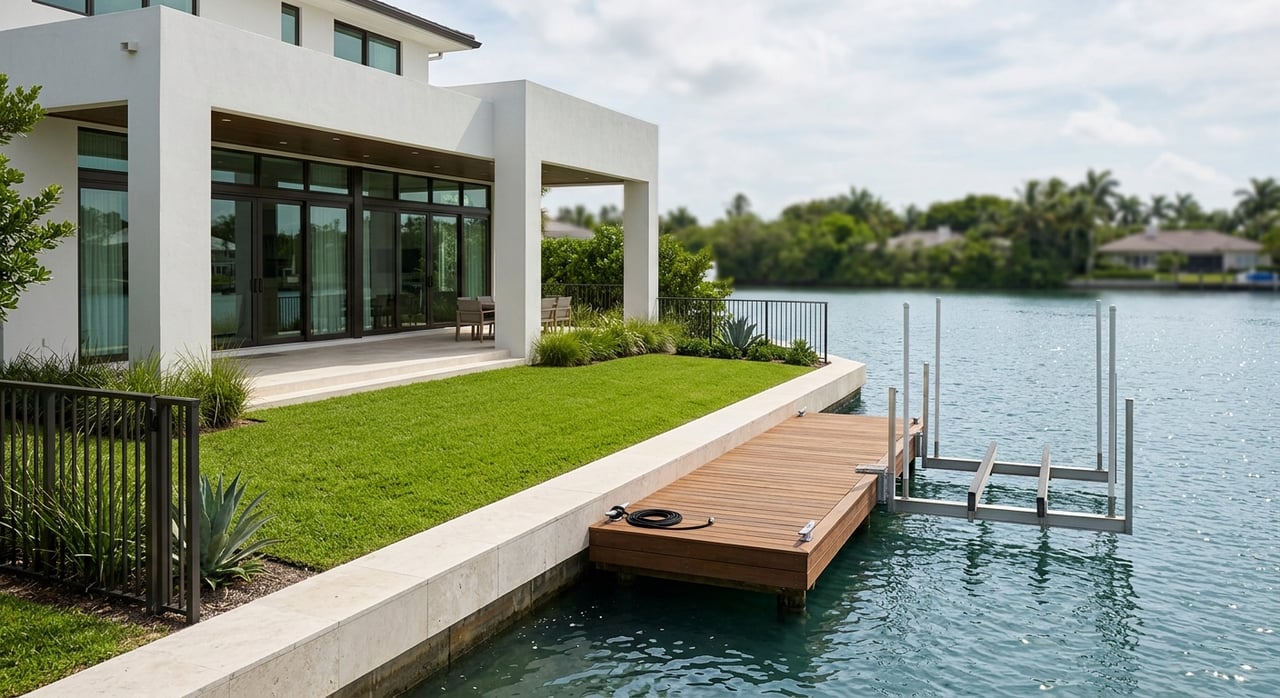
Single-family waterfront homes are the clearest alternative to tower living. They tend to appeal to buyers who want outdoor space, direct ground-level access, and a more private ownership experience. If your ideal day includes a lawn, pool, dock, or a quieter daily rhythm, this category may be the strongest fit.
These homes can also come with extra considerations depending on location. If a property is within a designated historic district, the city requires exterior review for changes, and owners cannot opt out once a district is designated. That can be an important factor if you are considering an older waterfront or east-side property with preservation oversight.
Townhomes and Attached Homes
Townhomes and attached homes offer a middle lane between a detached house and a condo tower. They can give you a more residential feel with a smaller footprint, and in some cases, they align well with buyers who want easier lock-and-leave ownership without going fully vertical.
That said, this is a thinner slice of the local market. The city’s downtown plan identifies CityPlace as a place where lower-scale residential alternatives exist, and a recent citywide snapshot showed 718 condos versus 120 townhouses. In practical terms, condo inventory still dominates, so attached non-condo options may require more patience and a more targeted search.
Marina-Oriented Living
Marina-oriented living is another strong alternative, especially if boating is central to how you want to use the waterfront. Palm Harbor Marina at 400 North Flagler Drive offers slips up to 300 feet, along with a clubhouse, fitness center, concierge-style services, and a location near dining, shopping, entertainment, museums, beaches, and golf. The marina also says Palm Beach International Airport is about 15 minutes away.
For some buyers, this route is less about replacing a residence type and more about shaping a daily lifestyle. If access to your vessel, dockside convenience, and proximity to downtown matter as much as the home itself, marina-adjacent living can be a compelling part of the equation.
How Non-Condo Living Compares to Tower Living
The city’s downtown plan makes one point very clear. The most iconic waterfront views are still closely tied to a high-rise environment along the Flagler Waterfront, where green spaces, office towers, and condominium buildings are all part of the district. New development there is also expected to strengthen pedestrian connectivity to the waterfront.
That means condos still hold a real advantage if your priority is elevation, broad views, and direct placement within the downtown grid. You may be closer to restaurants, events, and day-to-day convenience in a way that is hard to replicate elsewhere. For many buyers, that ease is exactly the point.
Non-condo waterfront living offers a different value set. Detached homes and marina-adjacent options tend to make more sense when privacy, outdoor space, and a boating-oriented routine rank above height and turnkey tower amenities. It is less about one option being better and more about which rhythm fits the way you want to live.
Boating Access Adds Another Layer
West Palm Beach’s public waterfront infrastructure supports more than just the view. The city says its downtown waterfront provides access to the Intracoastal Waterway for all to enjoy, and city docks are free for non-commercial boats seven days a week from 5 a.m. to midnight.
That reinforces the idea that waterfront life here is active and usable. Even if you are not buying a condo on Flagler or a home with a private dock, the city’s boating access still shapes the experience. For buyers who want to be on or near the water regularly, that practical access can carry real value.
What Buyers Should Ask Before They Buy
A beautiful waterfront address can still come with details that deserve close review. In West Palm Beach, a few questions are especially important when you are comparing non-condo waterfront options.
How Will Flood Diligence Affect the Search?
Flood review should be part of your early process, not an afterthought. West Palm Beach maintains a Community Rating System Class 5 designation, which corresponds to a 25 percent discount on National Flood Insurance Program policies issued in the city. The city also provides flood-zone lookups, Forerunner flood mapping, FEMA FIRM resources, and hurricane readiness information.
For you as a buyer, this means there are tools available to help you evaluate exposure before you move too far into a deal. It is worth reviewing flood mapping, insurance implications, and site-specific conditions with care, especially for ground-level waterfront properties.
Are Historic Rules a Factor?
If you are drawn to older homes with character, this question matters. West Palm Beach requires exterior review for work on designated historic properties, and once a local historic district is established, owners cannot simply opt out.
This does not mean historic homes are less appealing. It simply means you should understand the approval framework before planning changes to the exterior. For buyers who value architectural character, it is a tradeoff worth understanding up front.
What About Current Boating Infrastructure Changes?
If public ramp access matters to your routine, be aware of the Currie Park redevelopment timeline. The city closed the Currie Park boat ramps and parking lot on September 2, 2025 for a $35.5 million renovation project, with the redesigned park and new boat ramp facilities expected to reopen in spring 2027.
During the closure, boaters are directed to nearby public ramps at Jim Barry Light Harbor Park, Phil Foster Park, and Bryant Park in Lake Worth Beach. If you use public launch points regularly, this is the kind of local detail that can shape daily convenience.
Choosing the Right Waterfront Lifestyle
The real takeaway is that waterfront living in West Palm Beach exists on a spectrum. You can pursue the classic high-rise experience, or you can look beyond the condo market toward single-family homes, attached residences, and marina-centered living. Each option offers a different mix of privacy, walkability, boating access, and day-to-day feel.
For buyers at the luxury end of the market, this is where local guidance becomes especially valuable. The right property is not just about square footage or frontage. It is about finding the version of waterfront life that matches how you want to spend your time, move through the city, and enjoy the Intracoastal.
If you are exploring waterfront opportunities in West Palm Beach and want a more tailored view of the non-condo market, Christian Prakas can help you evaluate the options with discretion, local insight, and a clear strategy.
FAQs
What does non-condo waterfront living in West Palm Beach include?
- Non-condo waterfront living in West Palm Beach generally includes single-family waterfront homes, townhomes or attached homes, and marina-adjacent living options.
How walkable is waterfront West Palm Beach for daily living?
- Downtown and the waterfront are among the more walkable parts of West Palm Beach, with many destinations within a 10- to 20-minute walk of each other according to the Downtown Development Authority.
Are townhomes common on the West Palm Beach waterfront?
- Townhomes exist, but they are a smaller part of the market than condos, with a recent citywide snapshot showing far more condos than townhouses.
Do historic homes in West Palm Beach have extra ownership rules?
- Yes. If a home is a designated historic property or located in a local historic district, exterior work requires city review.
What should buyers know about flood information in West Palm Beach?
- The city provides flood-zone tools and mapping resources, and its Community Rating System Class 5 designation corresponds to a 25 percent discount on National Flood Insurance Program policies issued in West Palm Beach.
Is public boating access available in downtown West Palm Beach?
- Yes. The city says its downtown waterfront provides public access to the Intracoastal Waterway, and city docks are free for non-commercial boats from 5 a.m. to midnight every day.
What is happening at Currie Park boat ramps in West Palm Beach?
- The Currie Park boat ramps and parking lot closed on September 2, 2025 for renovation, and the city expects the redesigned park and new ramp facilities to reopen in spring 2027.